
- Posts: 36
- Thank you received: 77
 Sodium chlorite for the treatment of amyotrophic lateral sclerosis (ALS)
- Tomas
-
 Topic Author
- Offline
- Junior Member
-

Less
More
21 Oct 2013 10:08 #36919
by Tomas
Sodium chlorite for the treatment of amyotrophic lateral sclerosis (ALS) was created by Tomas
Sodium chlorite for the treatment of amyotrophic lateral sclerosis (ALS)
On 19 June 2013, orphan designation (EU/3/13/1139) was granted by the European Commission to Shore Limited, United Kingdom, for sodium chlorite (also known as NP001) for the treatment of amyotrophic lateral sclerosis.
What is amyotrophic lateral sclerosis?
Amyotrophic lateral sclerosis (ALS) is a progressive disease of the nervous system, where nerve cells in the brain and spinal cord that control voluntary movement gradually deteriorate. This causes loss of muscle function and paralysis. The exact causes are unknown but are believed to include genetic and environmental factors. The symptoms of ALS vary depending on which muscles weaken first, and include loss of balance, loss of control of hand and arm movement, difficulty speaking, swallowing and breathing. ALS usually starts in mid-life and men are more likely to develop the disease than women.
ALS is a long-term debilitating and life-threatening disease because of the gradual loss of function and its paralysing effect on muscles used for breathing which usually leads to death due to respiratory failure.
What is the estimated number of patients affected by the condition?
At the time of designation, ALS affected less than 1 in 10,000 people in the European Union (EU). This was equivalent to a total of fewer than 51,000 people*, and is below the ceiling for orphan designation, which is 5 people in 10,000. This is based on the information provided by the sponsor and the knowledge of the Committee for Orphan Medicinal Products (COMP).
What treatments are available?
At the time of designation, medicines authorised in the EU to treat ALS included riluzole. Patients also received supportive treatment to temporarily relieve the symptoms of the disease, such as physiotherapy and speech therapy.
The sponsor has provided sufficient information to show that sodium chlorite might be of significant benefit for patients with ALS because early studies in preclinical models show that it might delay the progression of the disease. This assumption will need to be confirmed at the time of marketing authorisation, in order to maintain the orphan status.
How is this medicine expected to work?
Sodium chlorite interferes with the functions of macrophages, a type of white blood cell that forms part of the immune system. Macrophages are involved in the inflammation process. In ALS, they are believed to be over-activated, producing high levels of substances called cytokines which attack and damage the nerve cells in the brain and spinal cord. By blocking the activity of the macrophages, sodium chlorite is expected to reduce their activity, thereby preventing the progression of the disease. The medicine is expected to be given by injection into a vein.
What is the stage of development of this medicine?
The effects of sodium chlorite have been evaluated in experimental models.
At the time of submission of the application for orphan designation, clinical trials with sodium chlorite in patients with ALS were ongoing.
At the time of submission, sodium chlorite was not authorised anywhere in the EU for ALS. Orphan designation of sodium chlorite had been granted in the United States of America for slowing progression of ALS.
In accordance with Regulation (EC) No 141/2000 of 16 December 1999, the COMP adopted a positive opinion on 15 May 2013 recommending the granting of this designation.
On 19 June 2013, orphan designation (EU/3/13/1139) was granted by the European Commission to Shore Limited, United Kingdom, for sodium chlorite (also known as NP001) for the treatment of amyotrophic lateral sclerosis.
What is amyotrophic lateral sclerosis?
Amyotrophic lateral sclerosis (ALS) is a progressive disease of the nervous system, where nerve cells in the brain and spinal cord that control voluntary movement gradually deteriorate. This causes loss of muscle function and paralysis. The exact causes are unknown but are believed to include genetic and environmental factors. The symptoms of ALS vary depending on which muscles weaken first, and include loss of balance, loss of control of hand and arm movement, difficulty speaking, swallowing and breathing. ALS usually starts in mid-life and men are more likely to develop the disease than women.
ALS is a long-term debilitating and life-threatening disease because of the gradual loss of function and its paralysing effect on muscles used for breathing which usually leads to death due to respiratory failure.
What is the estimated number of patients affected by the condition?
At the time of designation, ALS affected less than 1 in 10,000 people in the European Union (EU). This was equivalent to a total of fewer than 51,000 people*, and is below the ceiling for orphan designation, which is 5 people in 10,000. This is based on the information provided by the sponsor and the knowledge of the Committee for Orphan Medicinal Products (COMP).
What treatments are available?
At the time of designation, medicines authorised in the EU to treat ALS included riluzole. Patients also received supportive treatment to temporarily relieve the symptoms of the disease, such as physiotherapy and speech therapy.
The sponsor has provided sufficient information to show that sodium chlorite might be of significant benefit for patients with ALS because early studies in preclinical models show that it might delay the progression of the disease. This assumption will need to be confirmed at the time of marketing authorisation, in order to maintain the orphan status.
How is this medicine expected to work?
Sodium chlorite interferes with the functions of macrophages, a type of white blood cell that forms part of the immune system. Macrophages are involved in the inflammation process. In ALS, they are believed to be over-activated, producing high levels of substances called cytokines which attack and damage the nerve cells in the brain and spinal cord. By blocking the activity of the macrophages, sodium chlorite is expected to reduce their activity, thereby preventing the progression of the disease. The medicine is expected to be given by injection into a vein.
What is the stage of development of this medicine?
The effects of sodium chlorite have been evaluated in experimental models.
At the time of submission of the application for orphan designation, clinical trials with sodium chlorite in patients with ALS were ongoing.
At the time of submission, sodium chlorite was not authorised anywhere in the EU for ALS. Orphan designation of sodium chlorite had been granted in the United States of America for slowing progression of ALS.
In accordance with Regulation (EC) No 141/2000 of 16 December 1999, the COMP adopted a positive opinion on 15 May 2013 recommending the granting of this designation.
The following user(s) said Thank You: Truthquester, pam, fourfingerz, JB13, Simone.spek
Please Log in or Create an account to join the conversation.
Time to create page: 0.234 seconds
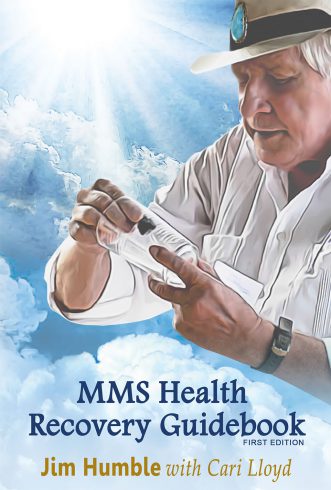
The MMS HEALTH RECOVERY GUIDEBOOK is Jim’s latest book. It provides the latest information on how to safely use MMS. Click the book image to order your copy today.
Jim's Blog
-
Unpleasant Symptoms, Biofilms, Going Too Fast
Published on: October 14, 2026
Note: In a health context, a biofilm is a structured, highly organized community of microorganisms (such as bacteria or fungi) that adheres to a surface and is encased within a self-produced, sticky, gel-like matrix of proteins, DNA, and sugars. Instead of floating freely as individual cells, the microbes (bad stuff) physically cluster together to form …
-
Cravings/Weight Management/Blocked Veins
Published on: October 4, 2026
A conversation with Jim in 2010: D: Some doctors have told me that harmful pathogens have the ability to manipulate the brain chemistry to make you crave the things they want to eat. Since I have been on MMS/CD, I have lost all cravings. I have also lost 60 pounds (which I needed to lose), …
-
Flu Season
Published on: September 28, 2026
The flu is a lot more dangerous sometimes than people realize and flu can make you very, very sick. There are some flu’s today that are highly resistant to most everything. So with flu and colds that just won’t go away and with pneumonia, here is another suggested approach you can try if the standard …
-
Making Health Decisions
Published on: September 22, 2026
Following is Jim’s answer to someone who was struggling with trying to get a loved one to follow certain procedures regarding their health: Jim: It is important to understand, that what a person decides to do about their own health is a very personal matter. In addition, there are so many factors involved in making …
-
MMS/CD and Antioxidants
Published on: September 14, 2026
Some folks get confused and a bit hung up on the issue of MMS/CD and antioxidants. While it is true, we have said and many others emphasize, you cannot take MMS/CD with antioxidants. Fair enough, it stands to reason that taking antioxidants with an oxidizer is not the best thing to do. BUT, you have …
-
Why it’s Not Working
Published on: September 2, 2026
From a discussion with Jim on why MMS/CD doesn’t seem to be working: Jim: If it’s not working, do something different. But this can be tricky, you have to give each thing enough time to work, don’t be rash, but don’t stay stuck either, this is where listening to your body comes in and the …